

Back in 2008, the suits that represented the affairs of the 20 member clubs that made up the Premier League at the time convened in London.
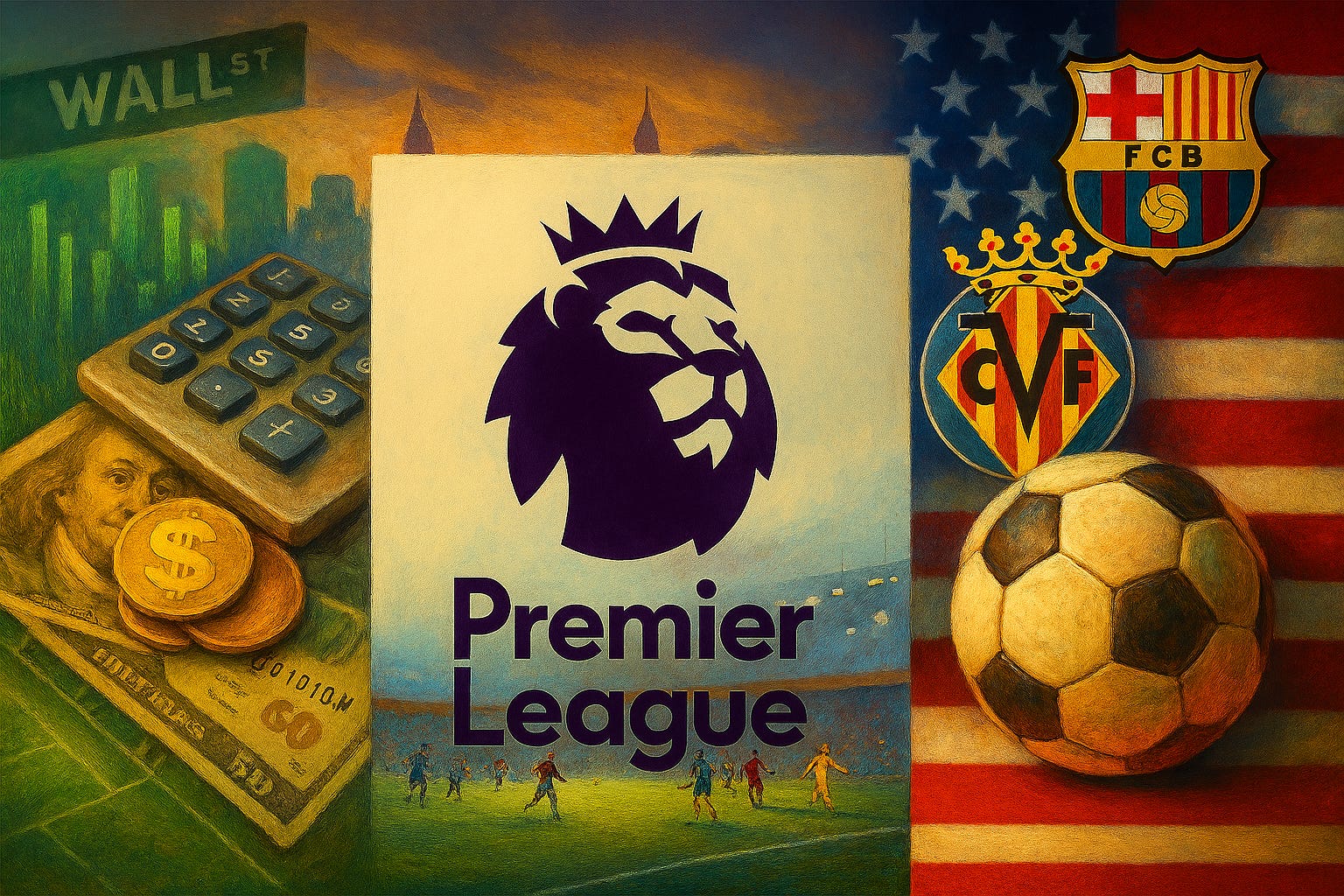
On the agenda, amid the gripes that clubs had with each other over some more trivial issues, was the rather big idea of a ‘39th game’ in English football’s top flight. An extra round of games to be played, but taken overseas, growing the Premier League brand globally.
The idea was a bold one, and one that was to face resistance enough to keep it locked away for more than a decade before the chatter resurfaced. Clubs were to stage one additional game per club in international markets like the United States, Asia, and the Middle East, with the aim of expanding the league’s global footprint and commercial reach.
Each team would play one extra match and the fixtures would be determined to maximise appeal—think Manchester United vs Liverpool in New York or Chelsea vs Arsenal in Tokyo. The plan was pitched as a way to tap into growing international fanbases and generate new revenue streams. Some of the clubs liked the idea, particularly the biggest clubs who already had global growth well within their sights. This was seen as something akin to manna from heaven, growing appeal with the Premier League’s backing.
There was, however, resistance. As we have seen in more recent years, most notably with the 48-hour rise and dramatic fall of the deeply-flawed and disturbingly clandestine European Super League plot, fan power can still play a decisive role in changing minds and altering decisions. In 2008 it was at play, with the idea seen as a blatant cash grab.
Supporters’ groups were furious, accusing the league of prioritising global TV money over local fans. The Football Supporters’ Federation (now the FSA) called it “a betrayal of loyal match-going fans” and warned it would turn the league into a “global roadshow.”
Managers weren’t impressed either, with former Manchester United manager Sir Alex Ferguson claiming such a move would “devalue the competition,” while then Arsenal boss Arsène Wenger, a manager who seldom saw eye-to-eye with Ferguson on many things, also raised issues with it, questioning the fairness of adding a non-reciprocal fixture that could impact the title race or relegation battle. The idea of clubs playing a 39th game in cities like New York, Dubai, or Tokyo—against opponents chosen for commercial appeal—was seen as a distortion of the league’s competitive balance.
FIFA and UEFA didn’t just raise eyebrows—they pushed back hard. Sepp Blatter, then FIFA president, publicly criticised the Game 39 proposal, warning that it could undermine England’s bid to host the 2018 World Cup. His concern wasn’t just about fixture congestion—it was about governance. FIFA saw the plan as a power move by the Premier League that risked upsetting the global football order, especially if other leagues followed suit.
UEFA echoed those concerns, with officials suggesting that staging domestic league matches abroad could distort competition and erode the integrity of national football structures. The idea of clubs playing competitive fixtures in neutral, commercial-first venues didn’t sit well with Europe’s governing body, which was already grappling with the rise of super clubs and the growing influence of private equity.
Pushback also came from proposed host nations. Football federations in Asia, the Middle East, and North America were wary of importing Premier League games, fearing it would overshadow their own domestic competitions. Some questioned whether hosting English league matches would benefit local football or simply serve as a branding exercise for foreign clubs. The optics weren’t great: English teams parachuting in for one-off games, soaking up attention and revenue, then flying out again.
In the end, the political pressure—combined with fan outrage and media scrutiny—was enough to kill Game 39 before it got off the ground. And so, the plan was shelved in 2010. It didn’t go away, it was just put into cold storage ready to be pulled out and defrosted at a time when the opposition to such a move wouldn’t be met with such widespread condemnation.
Is it coming back? And what would it be worth to Liverpool, and what are the risks?
